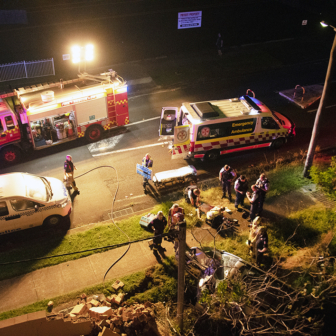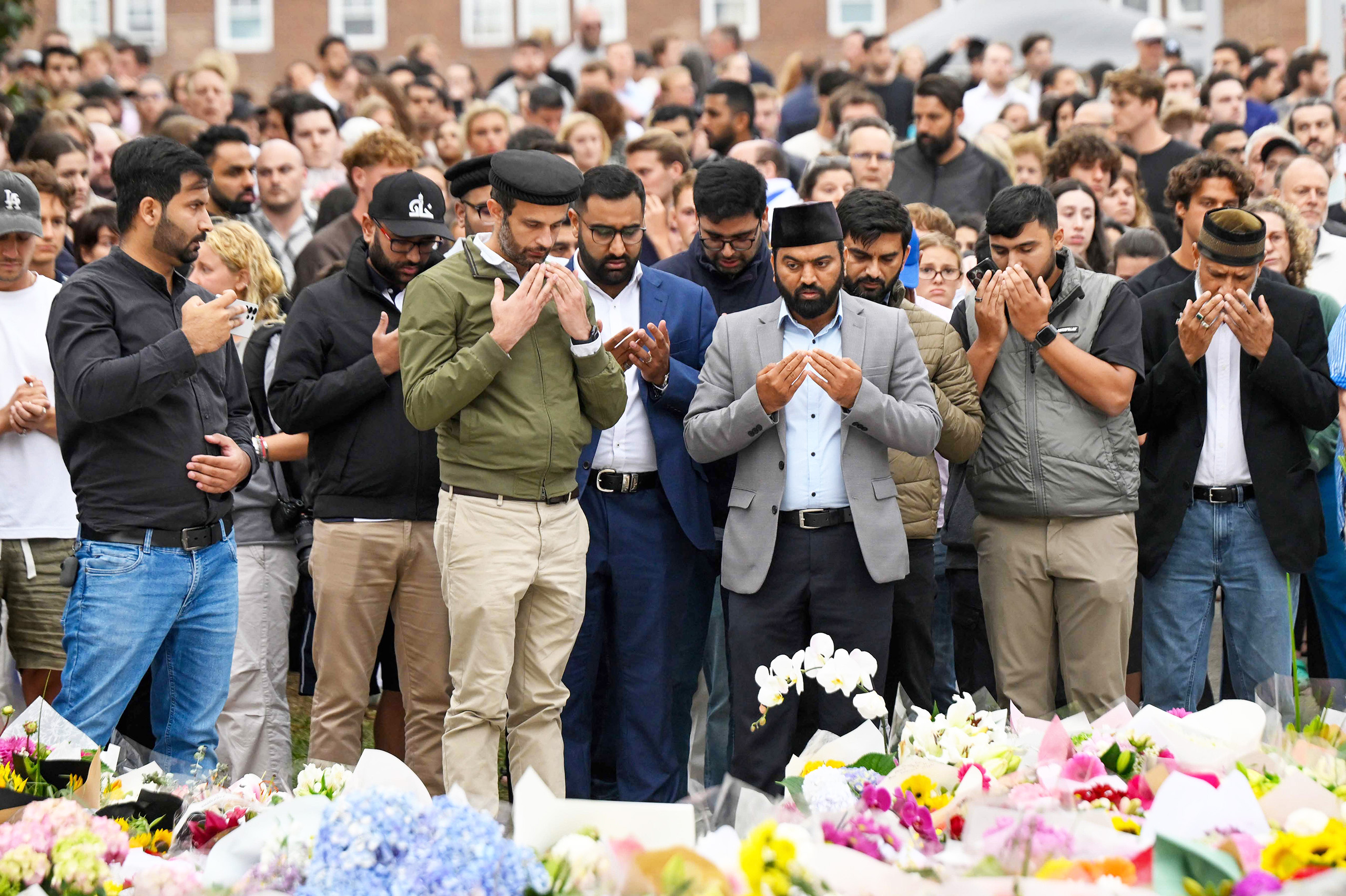
For almost a decade, we — a Muslim and a Jew — have worked side by side, in partnership and trust, to strengthen social cohesion in Australia. Our relationship was not forged in abstraction or agreement on everything, but through shared work, shared risk and a steady belief that difference, handled with care, can become a source of strength rather than fear. Last Sunday’s attack in Sydney shattered that fragile sense of safety.
What should have been a peaceful communal gathering became a scene of terror, reminding us how quickly belonging can unravel when hatred is allowed to grow unchecked. In moments like this, Australians rightly demand action. The question is not whether racism and antisemitism must be confronted — they must — but how we do so without eroding the democratic and social foundations we are trying to defend.
The government’s response to the antisemitism envoy’s report gets important things right. Strong hate-crime laws, clear consequences for incitement to violence, better data, education and protection for vulnerable communities are all essential. Antisemitism, like Islamophobia, corrodes our democracy and must be named and challenged early. But enforcement alone will never be enough.
History shows that lasting peace and social cohesion are not built through punishment and surveillance alone, but through sustained investment in civil society — in the institutions that allow people to meet one another, work together and rebuild trust over time. Northern Ireland offers a lesson worth remembering. Peace there did not emerge simply from political agreements or tougher policing. It was made possible by decades of patient investment in grassroots organisations, cross-community initiatives and shared civic spaces — the quiet, difficult work of helping former adversaries encounter one another as human beings rather than abstractions.
That belief has shaped our shared work. More than a decade ago, alongside Palestinian and Israeli partners, we helped build Project Rozana, which aims to connect Palestinians with appropriate medical training and healthcare, on a simple conviction: that caring for another human being can open doors that politics alone cannot. Over years of often unseen effort, this work has brought Israeli and Palestinian doctors, nurses and health leaders together — not to argue, but to heal.
We have witnessed it in small, human moments: an Israeli nurse training alongside a Palestinian colleague after an exhausting shift; a child from the West Bank receiving specialist care that would otherwise be out of reach; professionals crossing checkpoints most of us will never see, not in denial of the conflict, but in defiance of its most dehumanising logic.
In the years since, those same principles have guided our work here at home. We have applied the lessons of that experience to Australia’s own social fabric — building relationships across communities, absorbing criticism and backlash, and insisting that social cohesion is something that must be constructed deliberately, not assumed to endure on its own. This work is slow, relational and often uncomfortable. But it is precisely this kind of sustained engagement that makes it possible for people to encounter one another not as symbols or threats, but as neighbours with a shared stake in the future.
This work is not symbolic. It is civil-society infrastructure — practical, relational and fragile — and it requires protection and growth. That is why the Australian government’s decision to invest in Rozana’s health diplomacy matters so deeply. It recognises that social cohesion, here at home and abroad, is built not only by condemning hatred, but by funding cooperation. At a time of deep polarisation, this kind of investment is not a luxury. It is a necessity.
We are speaking out now because moments like this demand more than condemnation. They demand courage, restraint and a willingness to invest — patiently and deliberately — in the conditions that make hatred harder to sustain. Our shared future depends on whether we choose to keep building the bridges that allow us to meet one another not as enemies, but as neighbours — and, most importantly, as Australians. •
This article is republished from the Jewish Independent under a Creative Commons license. Read the original article here.