It is a strange feeling to see your work suddenly playing out on TV. There we were, sunk into the couch for another episode of The Pitt, the blood-soaked hospital drama set in a Pittsburgh emergency ward. Midway through the season, Debbie Cohen arrives with what first appears to be a routine infection. It soon becomes clear that antibiotics have failed.
For those of us who study resistant bacteria, commonly known as “superbugs,” the scene is familiar and frightening. Yet in a world crowded with war, climate disasters and new diseases, the millions of deaths and billions in economic damage caused by superbugs can seem easy to overlook. That is a mistake. Antimicrobial resistance is not a distant or exotic threat. In Australia, it is already killing people, but unlike cancer or road deaths the toll is hard to gauge accurately because resistant infections are often hidden behind cancer, surgery, diabetes, trauma and hospital care. Highly resistant bacteria have entered our hospitals, food chains and homes, moving through bodies, farms, sewage, travel and global trade.
For much of the twentieth century, antibiotics seemed to promise mastery over infection. They transformed surgery, childbirth and modern medicine. They also reshaped what we eat, how we farm and how we imagine the microbial world: less as an ecology we live within than as a threat to be contained or destroyed. Now that promise is fraying, tipping the balance in favour of our modern-day Frankensteins: superbugs.
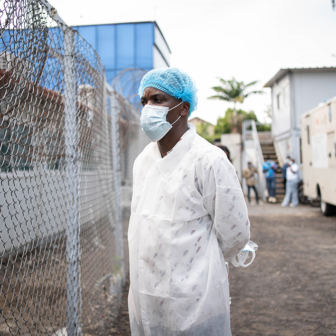
Like many other crises of the present, superbugs hit the vulnerable first. During years spent visiting Indian hospitals for our new book A World of Resistance, we saw the human cost of antibiotics failing against increasingly resistant infections. But the cruel twist is that this is not only a story of overcrowded and crumbling public hospitals “over there” in India. Gleaming private hospitals in Mumbai, Delhi, Pune and Hyderabad, no less than the well-resourced hospital world imagined in The Pitt, are caught in the same ecology of resistance.
Hospitals don’t create superbugs from nowhere. Resistant bacteria often arrive from the community, carried in bodies already shaped by poor sanitation, food systems and earlier antibiotic use. But hospitals can amplify resistance. Crowded with vulnerable patients and bathed in antibiotics, they give these bacteria chances to survive, spread and travel back out through patients, staff, waste, water and sewage.
Consider India’s public sector. Too many patients, too few doctors. Hospitals are stretched thin, serving rural populations, poor urban communities and migrant workers, many with limited access to care, vaccination and unhygienic living conditions. By the time patients arrive, their bodies often already carry the costs of unsafe water, pollution, undernutrition, delayed treatment and repeated exposure to antibiotics.
In these settings, the default is often that blunt instrument, broad-spectrum antibiotics. They may suppress the immediate infection but they can also wipe out beneficial bacteria and create openings for new infections. As resistance rises, doctors reach for stronger, broader drugs. But the broader the strike, the more collateral damage it can leave behind.
Here, “misuse” is a convenient tagline but a poor explanation. Doctors are often forced to make impossible calculations. Use too little, and patients may die. Use too much, and hospitals become breeding grounds for resistance. Antibiotics are not simply drugs here: they are made to compensate for broken infrastructure.
The answer, then, doesn’t lie simply in “reining in” antibiotics. India does need antibiotic restraint. But restraint without the infrastructure to support it is just another form of abandonment.
Nor is this only a story of underfunded public hospitals. India’s high-end corporate hospitals also rely heavily on antibiotics. Here, the pressure is not scarcity but speed, privilege, throughput and profit. Antibiotics reduce uncertainty, cover for incomplete diagnostics, protect reputations and keep the machinery of private medicine moving, much as they often do in the West.
Privatisation has weakened regulation in India. In many private hospitals we visited, safeguards were patchy or absent. Antibiotics were prescribed ad hoc, without oversight, and as a routine part of care whether clearly needed or not. They did more than treat infection. They reassured patients, helped justify high fees and upheld the promise that “everything possible” was being done. The result is a medical system bathed in antibiotics, made to carry more than they can bear.
India has long carried a grim share of this burden, with tens of thousands of newborn deaths each year linked to sepsis and antibiotic resistance. Yet hospitals are only one part of the story. Antibiotic dependence extends well beyond medicine into the food systems that sustain modern life.
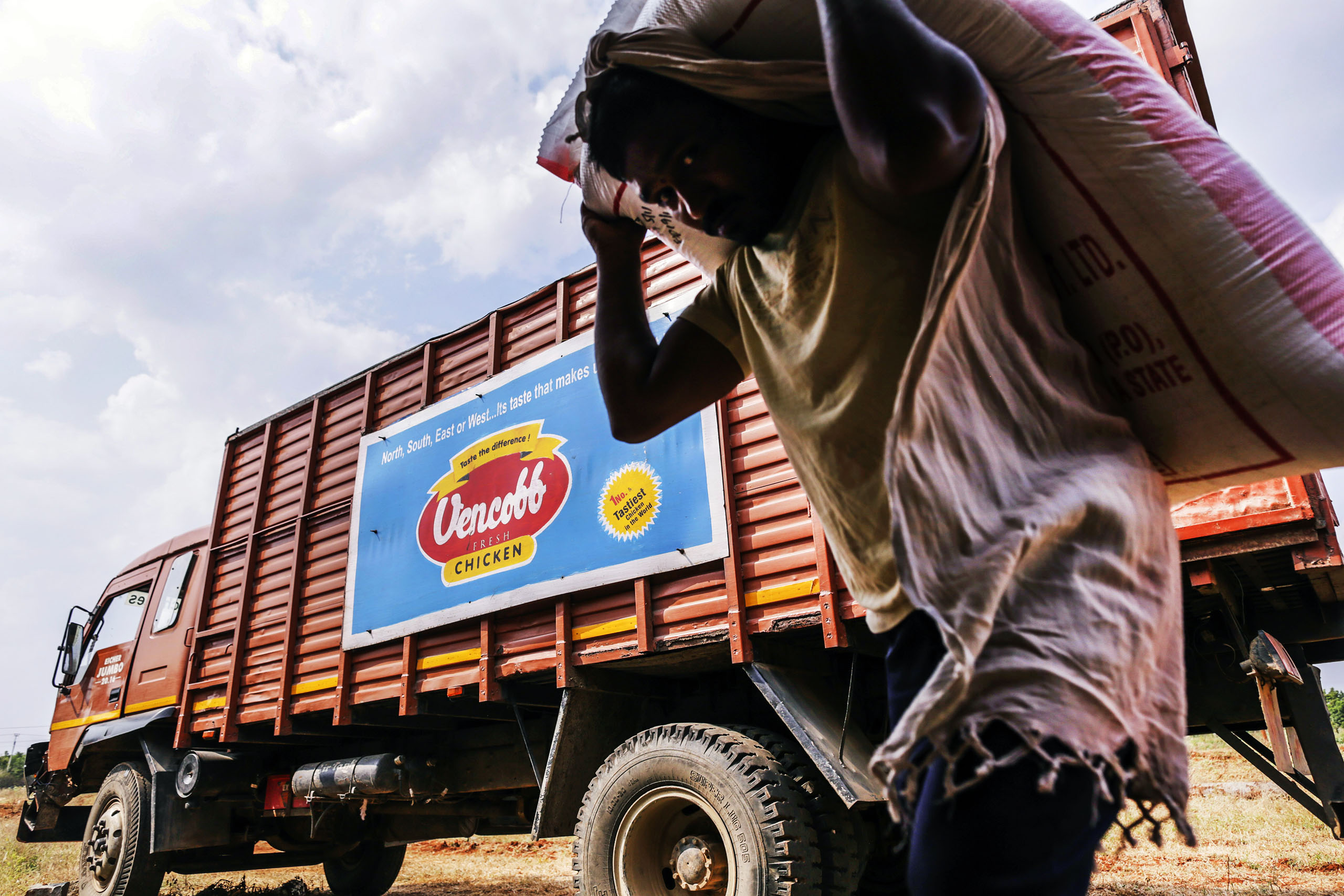
The same dependence appears in India’s food system. Over the past decade Indians have enthusiastically embraced chicken dishes. Backyard farming has been rapidly displaced by vast poultry sheds operating under contract farming arrangements and intense price pressure. It is here that antibiotics are deployed by farmers seeking to maximise production. In these densely packed sheds, antibiotics are used to prevent and treat disease, and in some settings also for non-therapeutic purposes, including promoting faster growth.
Intensive conditions like these also create opportunities for pathogens to emerge, circulate and, at times, cross species barriers. Repeated outbreaks of avian influenza have shown how vulnerable these systems are, often requiring the mass culling of millions of birds.
We see these dynamics in India at an enormous scale and intensity. Yet pathogens don’t remain confined by national borders. They travel through trade, migratory birds and other wildlife. Resistant bacteria have been detected in seabirds, including gulls along the Australian coastline, reminding us that antimicrobial resistance moves across landscapes and oceans. These days, Australia is confronting incursions of highly pathogenic avian influenza, raising fears for wild bird populations and the country’s poultry industry.
Here, as elsewhere, antibiotics help sustain intensive forms of animal production. The best available estimates suggest that animals consume around 60 per cent of antibiotics by weight, although these figures are based on sales data from 2005 to 2010 and cannot tell us how much is used today. Historically, pigs and poultry accounted for most therapeutic antibiotic sales in food animals. Aquaculture is harder to assess because off-label use is poorly captured in the data, but the Tasmanian salmon industry has drawn attention to the environmental consequences of administering antibiotics in open waterways.
Richard Flanagan’s Toxic documented with cutting precision the industry’s ecological damage and regulatory opacity. Poultry and other livestock sectors also remain dependent on antimicrobials, yet Australia still lacks regular, comprehensive and species-specific reporting that would allow the scale of this dependence to be properly assessed.
Across humans, antimicrobial resistance was estimated to be directly responsible for more than 1600 deaths in 2019 and associated with more than 5000 more. Many cases, however, remain obscured by competing diagnoses and by limited surveillance outside major hospitals.
The Pitt might be fictional, but its emergency ward is a reminder that superbugs are not a distant problem of poorer countries or failing systems elsewhere. They are part of modern lifestyles. They strike unevenly, but they do not stay put. They travel with patients, tourists, students, migrant workers, diaspora families, medical travellers, food, animals and waste. The same circuits that bind India to the world also carry resistant bacteria across borders. This is not simply a crisis of poor health systems. It is the consequence of building healthcare, farming and food production on antibiotics that were never designed to carry so much of modern life. •
A World of Resistance: India and the Global Antibiotic Crisis is being launched on Thursday 6 August at the Australian National University.