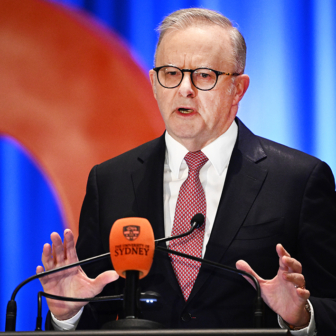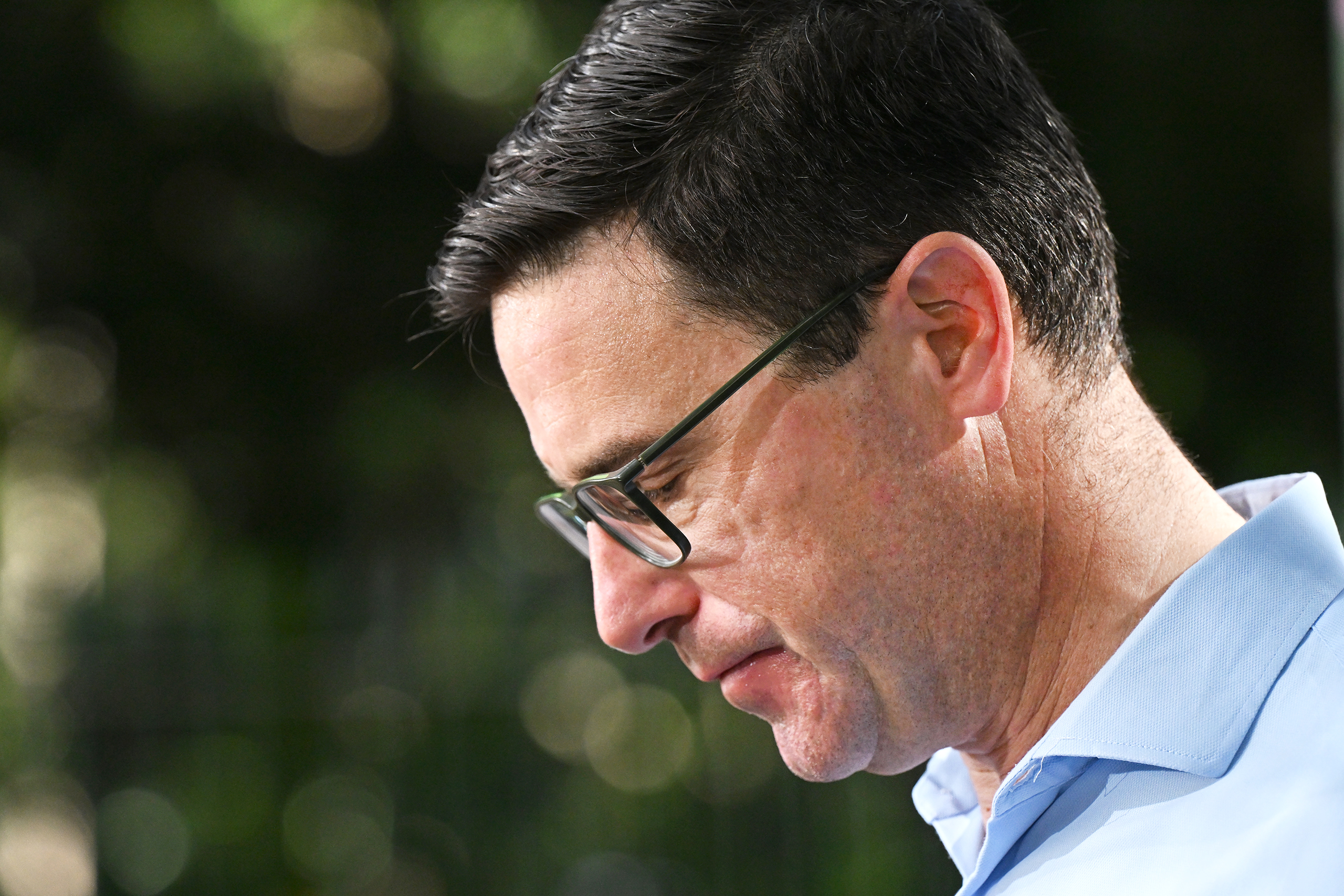
David Littleproud insists the continuing surge in One Nation’s surveyed support played “zero” part in his party’s decision to leave the federal Coalition (again), but the Nationals leader would say that, wouldn’t he? Of course it was a major factor.
From just 6.4 per cent support at last year’s election, One Nation hit double digits in September and has since kept climbing. In December its measured primary vote was in the late teens, and so far in January it’s hovered around 20 per cent, with Newspoll even showing it, at 22, one point ahead of the Coalition. Liberal and National MPs would be all have been watching their slide and One Nation’s rise with horror, but Nationals in particular are most at threat.
And that’s just in the House of Representatives. Senate numbers would also suffer.
We don’t know when it will peak, but if the published data in any of January’s surveys were replicated at an election, One Nation would certainly take House seats. How many depends on which poll you use and what assumptions you make about seat-by-seat swings and preference flows.
Newspoll’s 22 per cent would appear as single digits for One Nation in some (urban) seats, but exceed 40 per cent in parts of the bush and particularly in Queensland. And the bigger the variance the better for the party’s chances.
Why? Labor always “preferences” the Coalition ahead of One Nation. Only a minority of voters follow these suggestions, but they can still make a difference. In David Littleproud’s Queensland electorate of Maranoa last year (the only head-to-head Coalition–One Nation count) it washed through to 59 per cent for him and 41 for One Nation.
The Coalition preferenced One Nation over Labor everywhere. In Hunter (NSW), the one electorate where we can observe the flows, One Nation received 83 per cent of the preferences of people who put a “1” next to the Nationals candidate, with just 17 per cent going to Labor’s Dan Repacholi.
But that’s not a representative sample, and the national numbers were probably around 72 to 28 per cent in One Nation’s favour.
Newspoll’s figures, with a big 55–45 two-party-preferred lead for the government, are the most dire for the opposition(s) vis-à-vis Labor, and also against One Nation. The twin contests are related: the higher Labor’s overall two-party-preferred vote the bigger One Nation’s likely seat haul. The reason is simple: One Nation would meet Labor (rather than the Coalition, if I can use that word) in a greater number of seats in the two-candidate-preferred count and benefit from Coalition preferences.
The Newspoll numbers would see One Nation’s seat haul in the twenties, at least. It would take some seats Labor would otherwise have won, but that damage would be nothing like what it would inflict on the Nationals and the odd Liberal.
In the Mother Country, a Labo(u)r government is also facing a grotesquely shrivelled centre-right opposition. Over there, One Nation’s counterpart, Reform, has been polling ahead of all other parties for quite a while, with most recent MRP polls projecting a parliamentary majority for the far-right party. Several Tory MPs have already defected. Give or take a Barnaby or two, we’re not at that stage yet in Australia, although late last year One Nation was hyping up dramatic announcements in the new year.
For a Nationals MP prioritising personal survival in the House in 2028, there’s a potential matter of timing. It makes sense to wait and see what future polls produce before jumping, but defectors will have to make the leap well before One Nation’s candidates are preselected. They’ve still got a year or so.
But help might be on the way from their erstwhile partner. Even before this week’s disintegration, Liberal leader Sussan Ley looked all but certain to be toppled in 2026. Of the two chief aspirants, Angus Taylor would promise a snoozefest punctuated by the odd bungle and Andrew Hastie is the red-pilled, high-octane-ideology option, promising a bit more excitement.
Despite being on the right of the party, Taylor would be the conventional choice; Hastie would be a throw of the dice. The raw materials he possesses — SAS backstory and visual attributes — as well as a likely big shift in rhetoric and policy, particularly on immigration, would be manna for the media and almost guarantee a honeymoon. He’s young, a breath of fresh air, he tells it like it is.
Then the contradictions would see it all unravel. Even more than Peter Dutton, Hastie is Trumpian, and Donald Trump scares the bejeezus out of most Australian voters. He’s likely to go on about God a lot, which Australians find a bit weird. And while high immigration has doubtless helped fuel the One Nation revival, none of it is as uncontrolled as in America and much of Europe.
Across the aisle, there used to be a pattern of mid-term Labor leadership changes (specifically in 2003, 2006 and 2010) producing an immediate rise in the party’s polled primary support mostly at the expense of the Greens. If Hastie became opposition leader then a big jump in Liberal and perhaps Nationals support would likely follow, with a corresponding drop for One Nation. In his early months at least, the opposition would probably also take votes from Labor.
The Nationals could return to the Coalition (freedom of speech disagreements, a symptom of the current opinion polls, would be forgotten) and the fall in One Nation support might even prove enduring. But the rightward shift would guarantee devastation for the Liberals in the capital cities.
As Liberal leader, Hastie can make the Coalition whole again. But if he takes it to the election, the cost would be a big loss. •