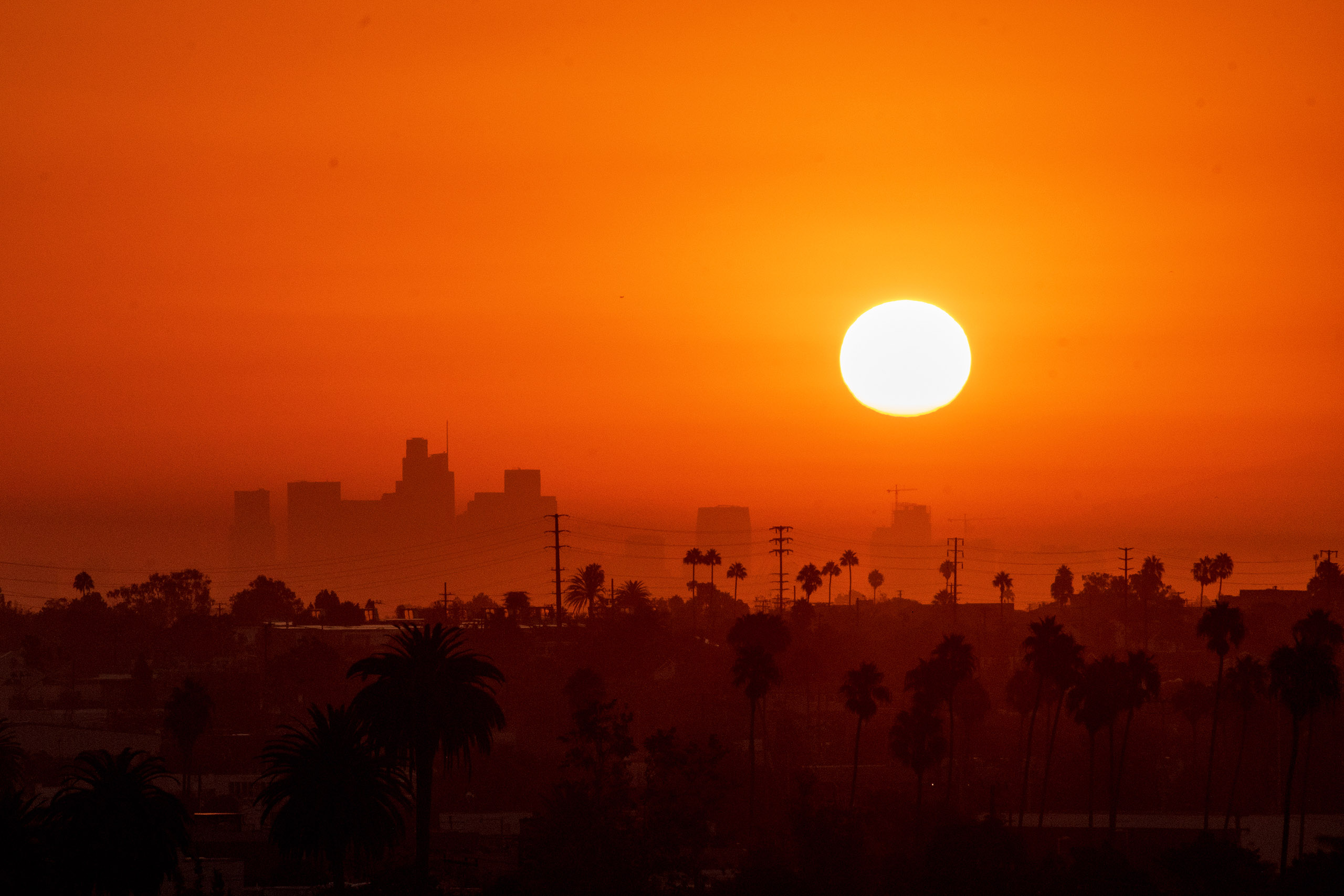
Climate scientists are predicting that 2026 will be the hottest year on record, beating the current record set in 2024. Britain and much of France are reporting the hottest temperatures ever recorded. April 2025 to March 2026 was the warmest twelve-month period in American history. Several Australian locations reported temperatures of 50°C. This month temperatures in the Antarctic climbed above 15°C, shattering the previous winter record by two degrees.
And the second half of this year promises more of the same, maybe even worse, with a “supercharged” El Nino (characterised by warming of the ocean surface in the central and eastern tropical Pacific Ocean) expected to reach history-making strength. The US National Oceanic and Atmospheric Administration says there’s a 63 per cent chance this El Niño will grow so intense it will rank among the largest El Niño events on record.
UN secretary-general António Guterres has described El Niño as an “urgent climate warning.” El Niño conditions will “pour fuel on the fire of a warming world,” he has forecast, triggering billions of dollars in damage from heatwaves, floods, droughts, tornadoes and wildfires.
Even in the absence of an extreme El Niño, billions of people around the world are experiencing increasingly frequent, intense and long-lasting heatwaves. Studies show 489,000 heat-related deaths globally each year, with 45 per cent in Asia and 36 per cent in Europe. But the true toll remains unclear, especially for low- and middle-income countries, because most countries lack consistent systems to track heat-related casualties. Vulnerability to heat is shaped by age, health status and other physiological factors, by occupation and other exposure factors, and by socioeconomic factors including housing.
Real hardship has already fallen on the less-developed areas of Southeast Asia, the Middle East, Africa and the Pacific. India and the Middle East are experiencing severe and sustained extreme heatwaves, with summer temperatures consistently exceeding 50°C.
In its December 2025 State of the Climate in the Arab Region report, the World Meteorological Organization highlights how the regions and people of the Middle East and North Africa, where water is always in short supply, are under constant pressure from rising temperatures and increasingly extreme weather. WMO secretary-general Celeste Saulo says intense and longer-lasting heatwaves are “pushing society to its limits… Human health, ecosystems and economies can’t cope with extended spells of more than 50°C — it is simply too hot to handle.”
On a single day in late April this year, all of the top-fifty hottest cities in the world were in India. In such temperatures farmers are unable to work outside, livestock are under heat stress, crops fail and food supplies are severely curtailed. The heat reinforces longstanding inequalities of caste, class and gender in poor and marginalised communities. It is causing heart attacks and kidney injury among outdoor workers and homeless people and exacerbating diabetes, respiratory illnesses, mental ill-health and other chronic conditions.
Refugees, internally displaced and stateless people are on the frontlines of this crisis. Refugee settlements are disproportionately located in climate-stress zones — including the Horn of Africa and the Middle East — where makeshift shelters, little access to water, and no means to manage heat make tens of millions highly vulnerable to record-breaking temperatures.
In the developed world, meanwhile, reports of heat waves too often focus on the impact on sporting events, energy bills and strained electricity grids, ignoring the costs to productivity, medical services and the health of vulnerable people and livestock. As the Financial Times reports:
Once indoor temperatures rise above the low-twenties centigrade, or around 75 Fahrenheit, humans start to suffer. Sleep duration and quality fall rapidly when temperatures rise above 23°C. Cognitive performance fares similarly… The same is true of office workers’ productivity, which peaks at around 21°C and rapidly deteriorates as the mercury rises. And that’s all before we get on to mortality, where death rates climb steeply once temperatures hit 30°C.
The effects of heat may be exacerbated in cities where, despite better access to cooling, dense populations generate urban heat islands, amplifying risks for the elderly, pregnant women, outdoor workers and anyone who can’t afford airconditioning. Around 200 million city-dwellers in more than 350 cities live with summer temperature highs of above 35°C. Without dramatic change, around 970 cities will be at least this hot by 2050, with much higher exposures in Asia, Africa and North America.
In Australia, the national climate risk assessment, released in September 2025, suggests annual heat-related deaths at 2°C of warming would go up by 190 per cent in Sydney and 126 per cent in Melbourne compared with today’s levels.
Extreme heat is one of Australia’s most dangerous natural hazards and it’s getting worse. It has caused more deaths in Australia than any other natural hazard and has a major impact on ecosystems and infrastructure. The Australian Institute of Health and Welfare estimates that in the ten-year period from 2012 to 2022 extreme heat accounted for 7104 hospitalisations (with 2143 of these occurring in the last three years of the decade) and 293 deaths. Other research suggests higher numbers: one study estimates heatwaves caused more than 1000 deaths in Australia in the four years between 2016 and 2019, with the highest mortality rates in communities with older populations and lower incomes or education.
Indigenous Australians are disproportionately vulnerable to extreme heat due to compounding factors that include substandard and poorly insulated housing, energy insecurity and higher rates of chronic, climate-sensitive health conditions
Humidity makes the heat much more lethal. Heat stress limits for human survivability were previously defined using a wet-bulb temperature of 35°C . Combined with 100 per cent humidity, more than six hours’ exposure to this temperature will cause heatstroke and organ failure, even among young, healthy adults. But recent research suggests extreme dry heat can be just as deadly as humid conditions. A 2023 study warns that, if the world warms by more than 2°C above pre-industrial levels (it had warmed by 1.37°C in 2025), as many as four billion people, particularly those in communities across Pakistan, India, China, and several African countries, would be at risk.
The impact of increased average temperatures extends to animals and the broader environment. They alter the distribution and intensity of pests and diseases, affecting flora, insects, livestock and humans. The spread of many infectious diseases is accelerating, as are the mosquitos and other vectors spreading them. (The Japanese encephalitis virus, for example, spread by the common banded mosquito, is now endemic in northern Australia and was last summer was found as far south as Victoria.) Some existing pathogens are becoming more virulent or widespread. (High temperatures increase the survival and biting rates of mosquitos carrying West Nile virus, for example.)
Despite the mortality, morbidity and economic costs, heatwaves rarely receive adequate attention because the death tolls and destruction are not always immediately obvious. But the impact of high temperatures on sport, obvious even to the politicians who pay more attention to sporting heroes than to scientists, might offer help prompt action.
The FIFA World Cup host cities are among those currently experiencing unusually ferocious heat and humidity. It’s tough for players, for those lucky enough to be in the stands, for the crowds gathering at outside venues, and for security and transport services staff.
Soon the focus will shift to the US Open in New York, where the weather is often hot and humid. After many players had problems with the heat at the French Open, they are calling for stronger responses from tournament organisers to a problem increasingly affecting their ability to play and earn. Could their voices finally drive greater climate action? •