Rob Oakeshott, once described as the National Party’s “great bright hope,” resigned from the NSW National Party – and from the front bench of the state opposition – in 2002. Eight years later, he’s in federal parliament as the independent member for Port Macquarie, and is now part of the group of independents who will decide which party forms the next federal government. In this March 2002 interview with Terry Lane, first broadcast on ABC Radio National’s The National Interest, he discusses why he joined the Nationals, and why he left.
Rob Oakeshott: Why I became an independent
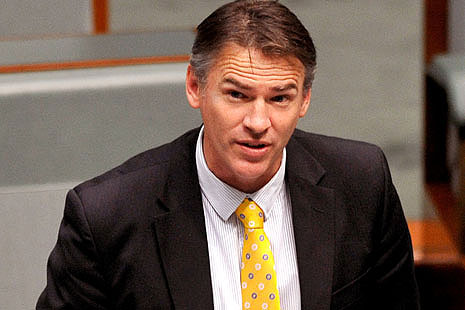
Not happy with the National Party’s “white-shoe brigade”: Rob Oakeshott (above), independent federal member for Lyne, New South Wales.
Related Articles
 Books & arts
3 September 2026
The profound implications of population and workplace changes have eluded the major parties, says George Megalogenis
Books & arts
3 September 2026
The profound implications of population and workplace changes have eluded the major parties, says George Megalogenis
 Books & arts
31 August 2026
Alexander Downer, born politician, born of the Liberal Party
Books & arts
31 August 2026
Alexander Downer, born politician, born of the Liberal Party
 National affairs
31 August 2026
What last weekend’s Secret Harbour by-election did and didn’t tell us
National affairs
31 August 2026
What last weekend’s Secret Harbour by-election did and didn’t tell us
 National affairs
28 August 2026
Despite all the arguments against it, the GST deal Labor inherited will be hard to budge
National affairs
28 August 2026
Despite all the arguments against it, the GST deal Labor inherited will be hard to budge